
 (513) 653-4448
Introduction
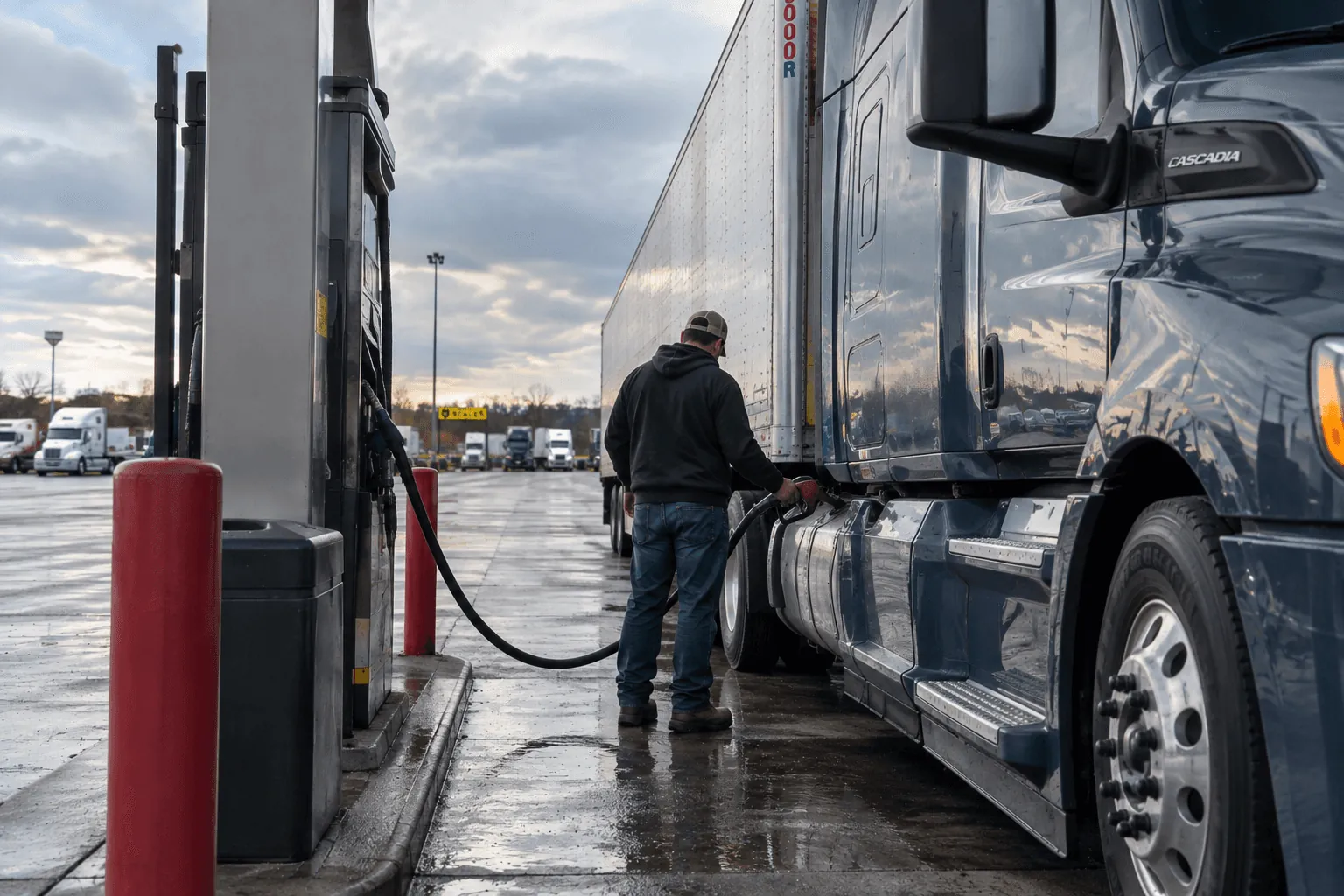
In the week leading up to Labor Day, the national on-highway diesel average surged 36.8 cents to $5.967 per gallon — past the $5.81 record set in June 2022. Prices are now more than $2 a gallon above the same week last year. For a truck running 10,000 miles a month at 6.5 mpg, that gap is roughly $3,000 in additional monthly cost. This is not a normal seasonal move, and it should change how you price.
1. The Spread Between Regions Is Now Enormous
California has passed $7.50 a gallon while the Gulf Coast sits near $5.46 — a spread of more than two dollars. Fuel routing that was a minor optimization at $3 diesel is now a material line item. Plan fuel stops, not just miles.
2. Fuel Is Roughly A Fifth Of Your Cost Per Mile
Industry benchmarking puts fuel at about 21% of total cost per mile — the second largest expense after the driver, and the only one that can move 37 cents in a week. A rate that penciled out in July does not necessarily pencil out today.
3. Check The Assumptions Inside Your Surcharge
Most surcharge tables adjust in fixed steps off the weekly DOE average. Two things quietly erode them: a base peg set years ago, and an assumed mpg higher than your fleet actually gets. A schedule built around 7.0 mpg on a fleet running 6.2 silently transfers cost to the carrier. At this price level that gap compounds fast.
4. Deadhead Is Pure Loss Now
Every empty mile is fully loaded fuel cost against zero revenue. Cutting empty miles by even 5% of total distance beats almost anything you can negotiate on the linehaul.
What Comes Next
Fall usually adds pressure rather than relieving it. Harvest equipment and crop hauling raise distillate demand — historically about 4% from September to October — and heating oil demand follows in winter. Price your work on the fuel you are buying this week, not the fuel you budgeted in the spring.