
 (513) 653-4448
Introduction
The English language proficiency requirement itself is old — it has been in the federal regulations since 1937 and currently sits at 49 CFR 391.11(b)(2). What changed is the consequence. A 2016 policy barred inspectors from placing a driver out of service for failing an ELP check; enforcement was reinstated in April 2025, and officials say more than 26,000 drivers have been placed out of service since. On August 10, 2026, FMCSA proposed writing that consequence directly into the regulations.
1. What The Proposal Actually Does
The notice of proposed rulemaking, Docket FMCSA-2026-0826, would align the federal regulations with the CVSA out-of-service criteria rather than create a new standard. It responds to a petition from CVSA itself. The requirement already applies today — the rule would make the out-of-service consequence uniform across every state instead of resting on enforcement guidance. Comments are open until October 9, 2026.
2. The Border Zone Is Treated Differently
The CVSA criteria as amended on April 19, 2026 moved ELP from a civil penalty to an out-of-service violation, with an exception for the commercial zones along the U.S.-Mexico border, plus guidance on how enforcement should categorize operations in those zones. FMCSA estimates the border-zone policy alone could generate roughly 9,000 out-of-service events a year, at about $14.4 million in motor carrier costs.
3. What One Violation Costs You
An out-of-service order is not just a delayed load. It is a missed appointment, a customer conversation, a truck sitting on a shoulder, and a mark on your CSA score for two years — which feeds into your insurance and your standing with the shippers who screen carriers on it.
4. Build The Check Into Hiring
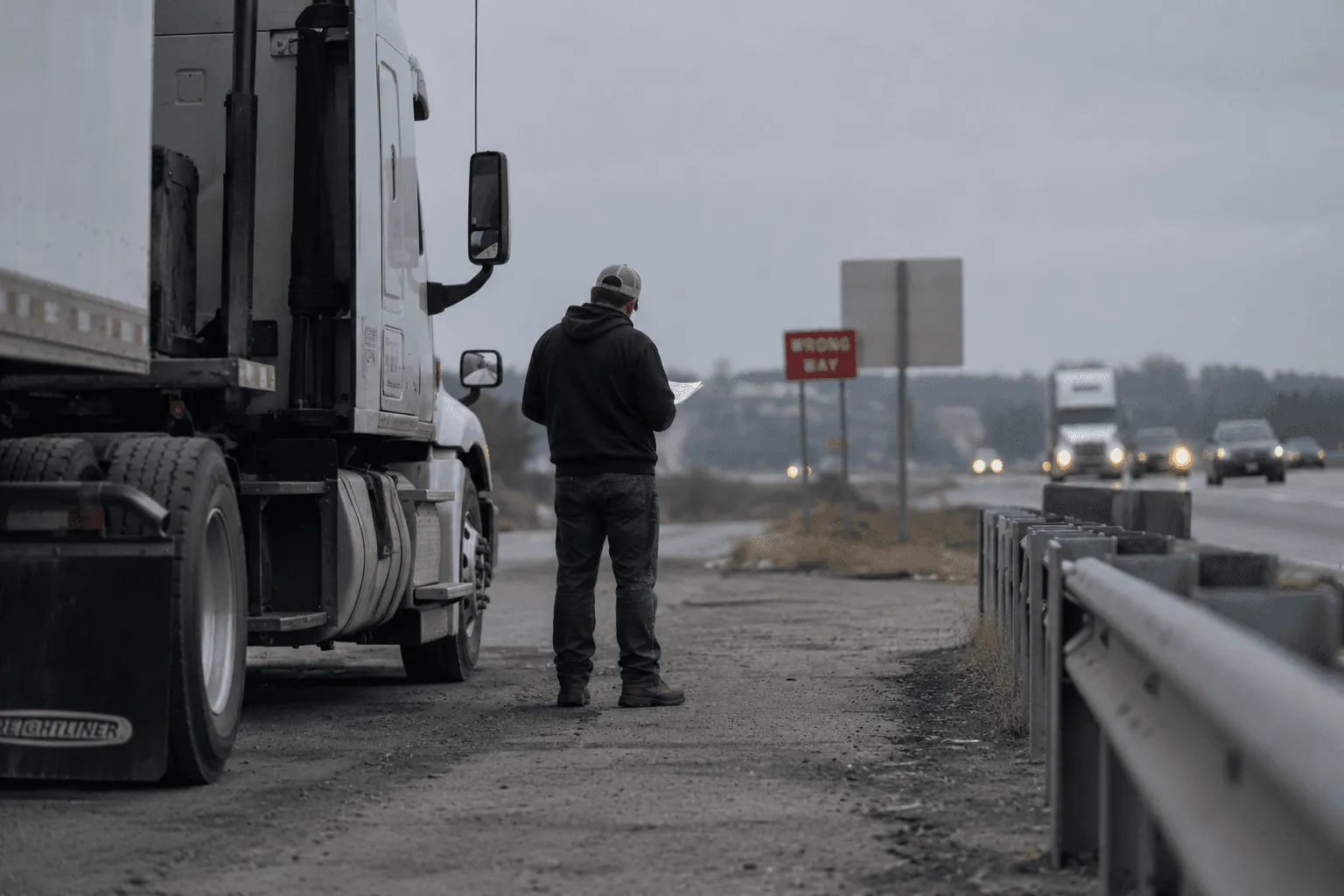
Roadside enforcement is practical, not academic: a short interview and recognition of common highway signs. Run the same two steps yourself before a driver takes a load, and document it in the qualification file. Ten minutes at hiring is the cheapest compliance step available to you.
The Other Side Of It
Enforcement that removes non-compliant capacity from the market firms up rates for the carriers who remain. For a well-run fleet, this is not only a cost.